


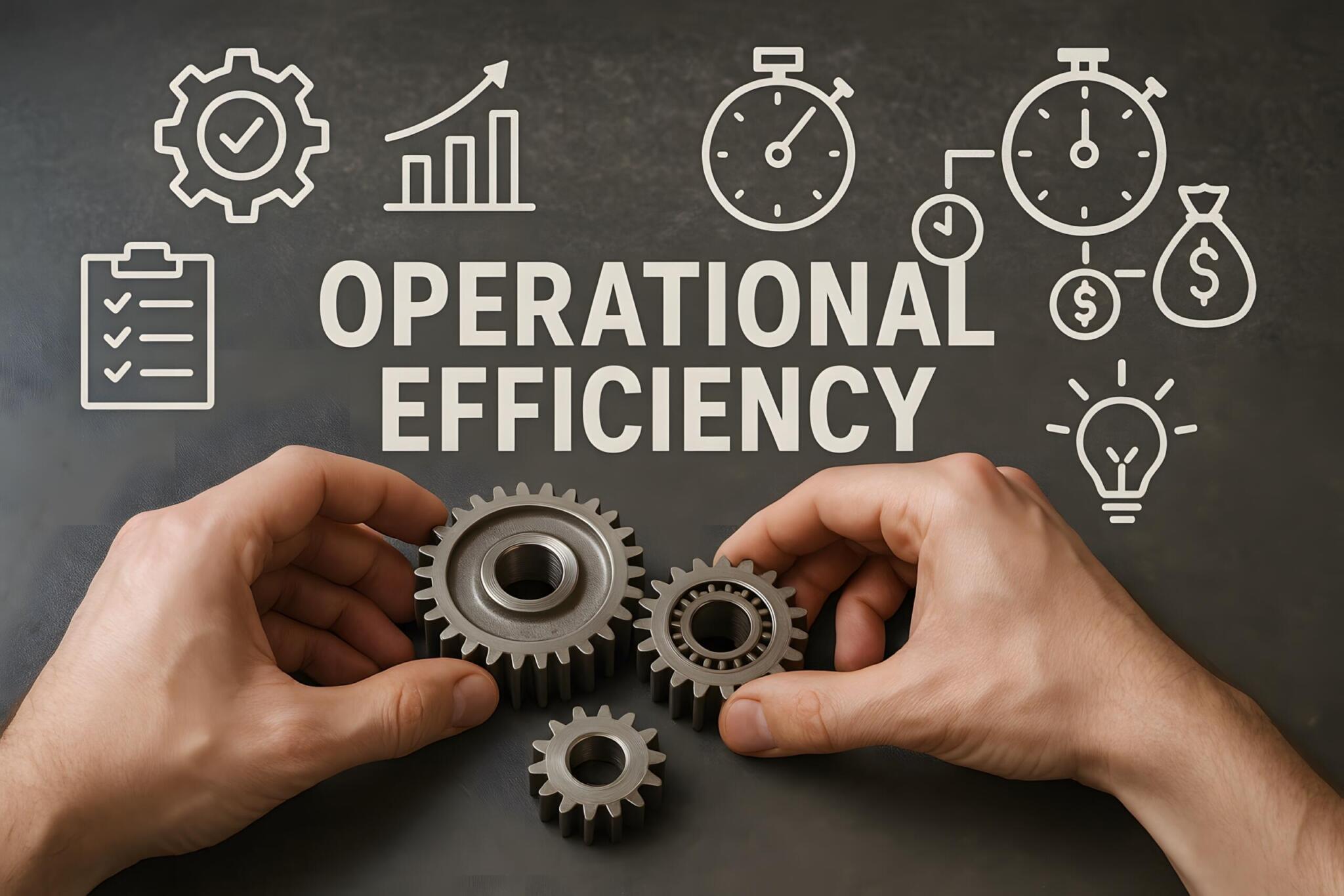
Operational Optimization That Makes Your Business Easier to Run
What Operational Optimization Actually Is
Operational optimization is the process of improving how work flows through your business. It looks at systems, roles, handoffs, and decision points to remove unnecessary complexity and make execution more consistent.
This work is not about working harder or adding tools. It’s about simplifying how things get done so your team spends less time reacting and more time executing.
When operations are optimized, leadership gains clarity, teams gain consistency, and growth becomes manageable instead of chaotic.
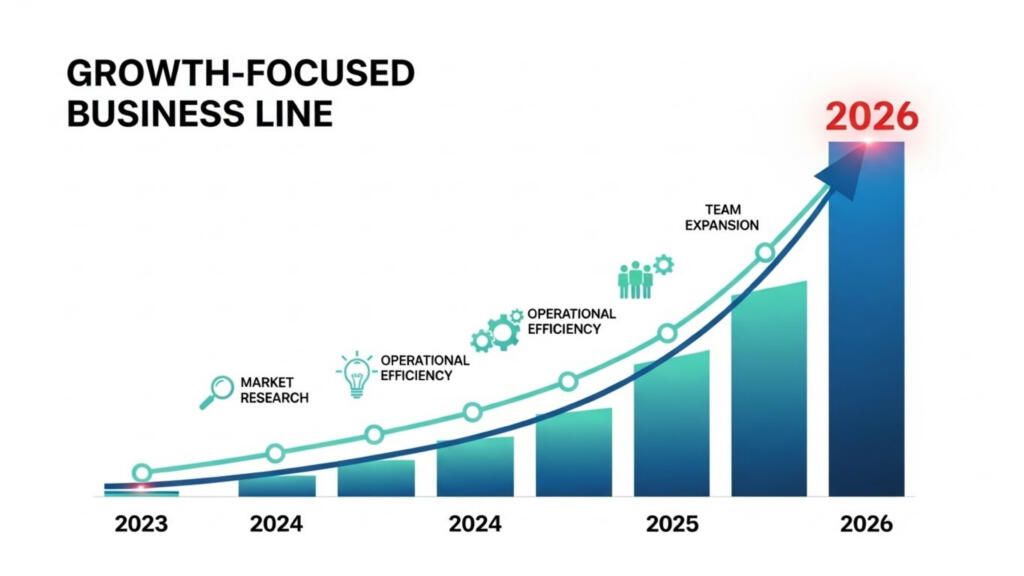
Why Operational Friction Increases Over Time
Most service businesses start simple. As they grow, complexity creeps in through new hires, new processes, and ad-hoc solutions layered on top of one another.
Over time, this leads to:
- Inconsistent execution
- Bottlenecks and delays
- Poor visibility into performance
- Leaders stepping in to fix problems manually
Operational optimization addresses these issues by simplifying workflows and clarifying how work moves from start to finish.
What Is Addressed During Operational Optimization
Each engagement is tailored, but operational optimization typically includes:
- Workflow mapping and simplification
- Clarifying roles and responsibilities
- Reducing unnecessary handoffs and approvals
- Improving scheduling and capacity planning
- Establishing repeatable processes teams will follow
- Aligning reporting with real operational activity
The goal is to remove friction and make execution predictable.
Our Operational Optimization Process
Step 1: Operational Review
We examine how work actually gets done across the business.
Step 2: Identify Bottlenecks and Friction
We locate where delays, confusion, and waste are occurring.
Step 3: Simplify and Standardize
Processes are streamlined and documented in a usable way.
Step 4: Improve Execution and Visibility
We ensure teams understand expectations and leaders can see what’s happening.
Step 5: Support Sustainable Improvement
Changes are implemented in a way that sticks, without disruption.
What Operational Optimization Delivers
While results vary by business, operational optimization commonly leads to:
- Fewer day-to-day disruptions
- Improved consistency across teams
- Better use of time and resources
- Clearer accountability
- Reduced reliance on leadership intervention
This work creates a foundation that supports growth instead of resisting it.
Who Operational Optimization Is Best For
Operational optimization is ideal for:
- Service-based businesses
- Owner-led or closely held companies
- Organizations experiencing growing complexity
- Teams struggling with consistency or execution
- Businesses preparing for growth
It is especially valuable when leadership feels stretched thin by operational demands.
How Operational Optimization Fits Into Broader Consulting Work
Operational optimization often works alongside:
- Forensic Operations Audits — to identify where optimization is needed
- Lean AI® Consulting — to reduce repetitive work after processes are simplified
- Strategic Planning & Execution — to ensure plans are supported by operations
Optimization ensures improvements scale without adding unnecessary complexity.
Ready to Reduce Friction and Improve Execution?
If your business feels harder to run than it should, operational optimization can help bring clarity, consistency, and control back to day-to-day execution.